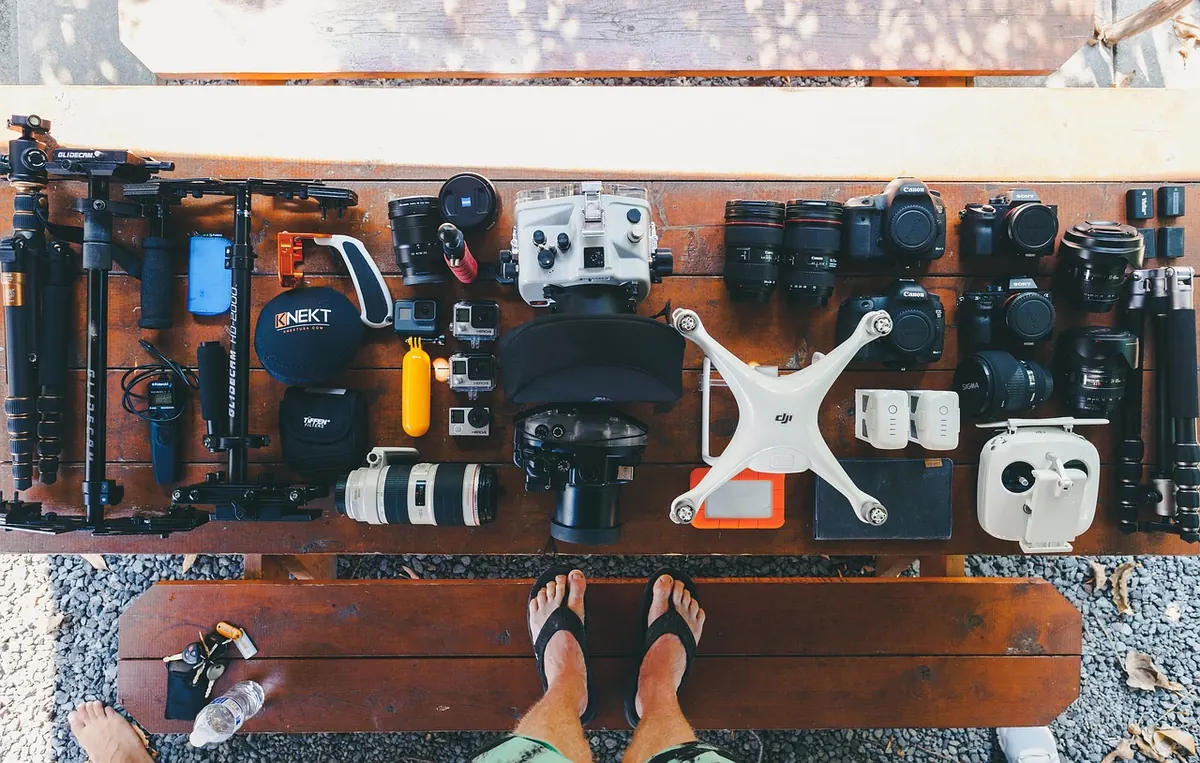
Golden hour is generous but brief, and it rewards people who arrive with a plan. The light turns warm and low, shadows stretch, and every surface starts behaving differently than it did ten minutes earlier. What follows is a working checklist: fifteen frames worth hunting during that window, organised by subject, from wide landscapes down to small details. Shoot them in order or cherry-pick the ones your location allows. Either way, keep moving.
Read the Light Before You Raise the Camera
Spend ten minutes on the ground before the light gets good. Find out where the sun will set relative to the streets you want, and note which direction the shadows will fall. Then decide whether you want front light, side light or backlight for your first subject, because turning your body changes the picture more than changing lenses does.
Three quick checks save most wasted frames:
- Sun position and obstacles. Walk the block. A building, a hill or a tree that blocks the sun at 6pm will flatten everything behind it twenty minutes later.
- Shadow direction. Note where the long shadows land and whether they add structure or smother the frame. Shadows are content, not an accident.
- Your fallback. If the sky goes flat, side-light on textured surfaces and doorway portraits still work. Have that plan ready so you don't drift.
Golden hour is not a fixed sixty minutes. It lasts longer at higher latitudes and longer in winter, when the sun climbs less steeply, and it's shorter near the equator. The colour also peaks before sunset rather than at it. Arrive early and stay late.
The 15 Shots Not to Miss
Landscapes
- 1. The raking wide view. Get high — a ridge, a bridge, a rooftop terrace. Low sun scrapes across the ground and reveals texture that vanished at noon. Use a small aperture for depth and let the nearest shadow go dark; that contrast is the point.
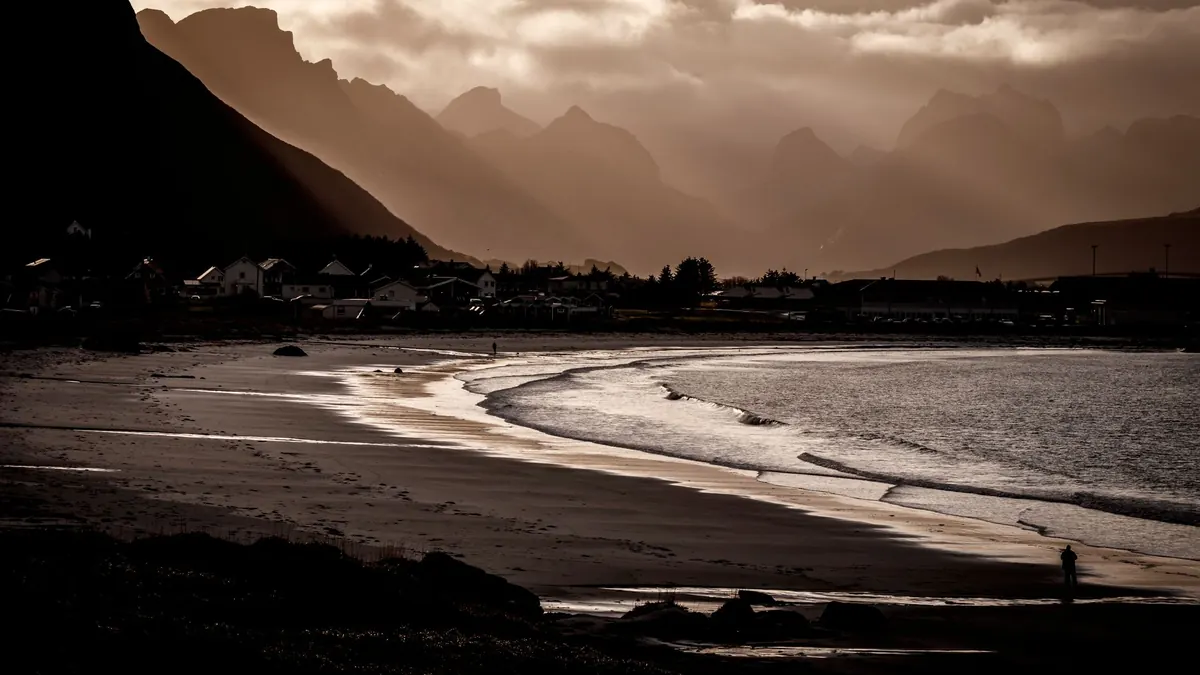
- 2. The silhouetted ridgeline. Put the sun behind a hill or a stand of trees and expose for the sky. Shapes matter more than detail here. Wait for a bird, a walker or a single tree to break the line so the frame has a subject.
- 3. The still-water mirror. Lakes, puddles, harbour basins, flooded fields. Calm air matters more than the size of the water — a puddle in a lane can hold an entire facade. Get low, keep the horizon level, and give the reflection as much room as the real thing.
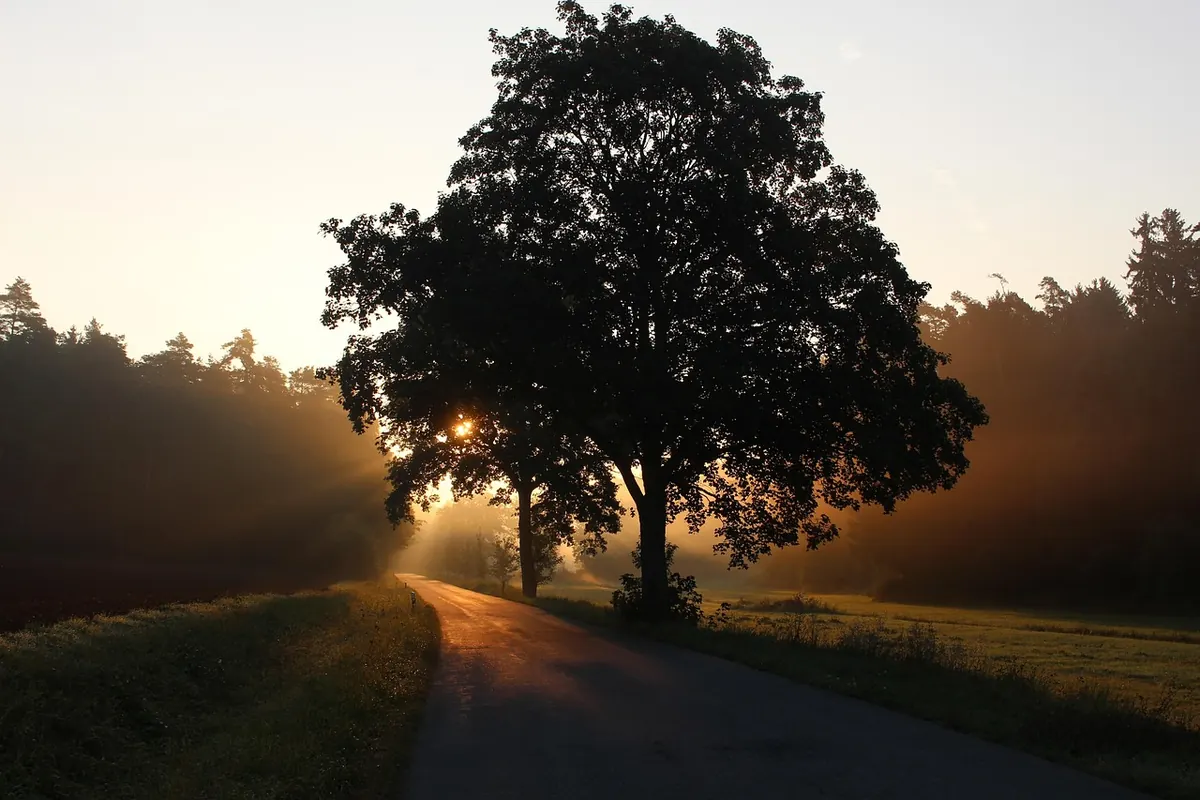
- 4. The sunburst through a gap. Stop down to around f/16, hide the sun behind a rock, a branch or a gatepost, and let the light fan out. Wipe the front element first; flare makes dust and fingerprints glow.
Streets
- 5. The sunlit wall. One building face catches the last light while the rest of the street falls into blue shade. Frame tight on the warm wall and let a sliver of cool shadow sit at the edge. The colour contrast does the work.
- 6. The shaft of light with a passerby. Stand where the sun cuts a corridor between buildings and wait. Focus on the lit patch, not the shadow. Someone will cross within a few minutes, and that wait is usually the cheapest part of the day.
- 7. The long shadow. Low sun turns people, poles and bicycles into stretched shapes. Shoot down a pavement rather than across it, and place the shadow so it leads somewhere instead of pointing out of the frame.
- 8. The glowing shopfront or stall. Bakery windows, fruit crates, a bar setting out chairs. Interior light and evening light mix into something warmer than either alone. Expose for the brightest interior detail and let the street sit a little dark.
- 9. The transit window. A lit tram or bus window against a cooling street reads like a small stage. Frame it square, wait for a face or a pair of hands, and shoot as the vehicle slows so you get a hint of motion without mush.
Portraits
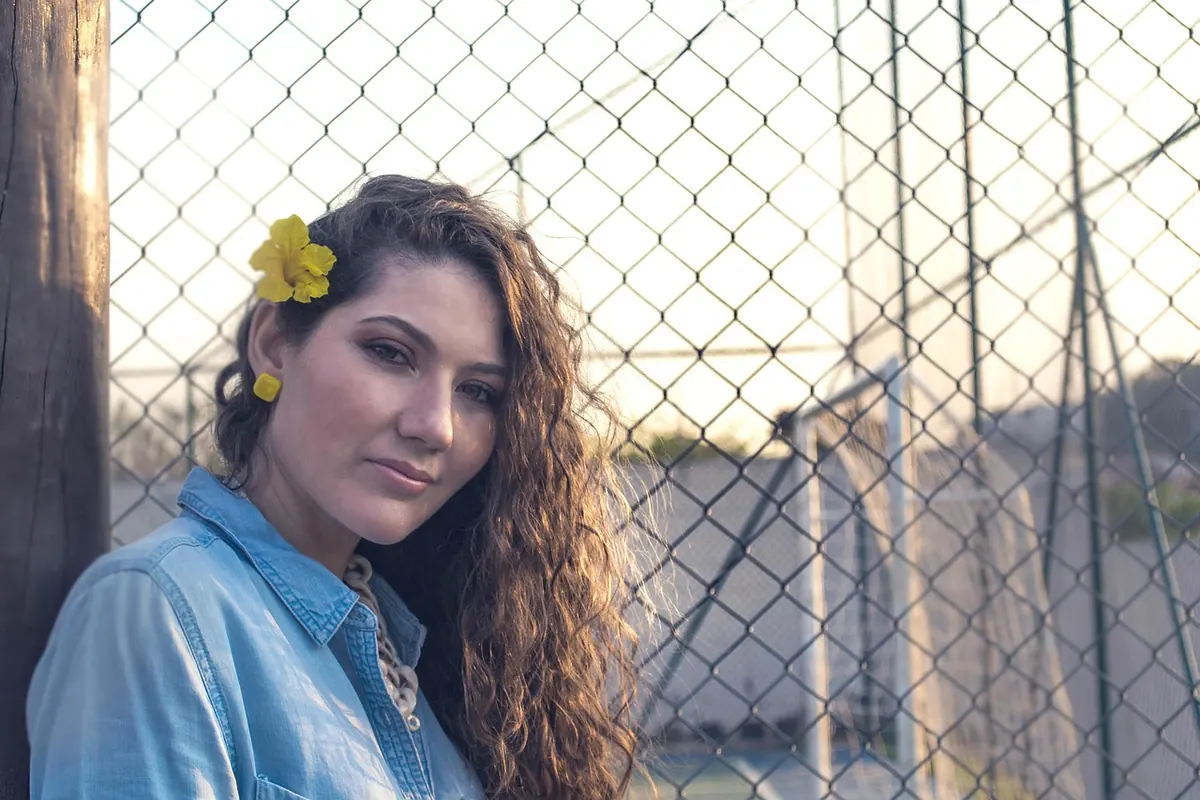
- 10. The backlit rim portrait. Put the sun behind your subject's head and shift until the light spills around a shoulder, an ear, a hat brim. Meter for the face; it will be darker than the sky, and that's fine. Ask them to turn slowly.
- 11. The doorway portrait. When the sun is too harsh, find a doorway with warm light bouncing off the wall opposite. Your subject gets even, directional light and stops squinting. A pale wall behind you will fill the eyes nicely.
- 12. Hands and gesture. Late light is forgiving on faces and unforgiving on hurry. Instead of a full portrait, photograph what the person is doing — shelling peas, tying a boat, pouring tea. Hands carry the story, and the low sun picks out knuckles and skin.
Details
- 13. The texture close-up. Stone, sand, salt, rust, worn wood. Raking light makes texture legible; flat light kills it. Turn your body until the surface is side-lit, then get close and fill the frame with a pattern rather than an object.
- 14. Dust, smoke, steam. Backlight reveals what's invisible at noon: dust off a cart, smoke from a grill, steam off a bowl. Find a dark background and shoot into the light. Be quick, because the effect lasts only as long as the air stays still.
- 15. The afterglow sky. Stay twenty minutes after the sun drops. Colours deepen toward magenta and blue, street lights come on while the sky still holds detail, and the wind usually settles. It's the calmest light of the day for wide city views.
Exposure Notes for Warm Light
Warm light is bright light with a long throw, and it blows out faster than you expect. Meter for the brightest part of the sky or the sunlit wall and let the shadows fall where they may; recovering shadow detail is easier than recovering a white, empty highlight. Bracket when the contrast is extreme, and check the histogram rather than the rear screen, which flatters everything.
Two settings worth locking in early: keep auto white balance off, or the camera will cool down exactly the warmth you came for — a daylight or cloudy preset holds the colour better. And autofocus will often hunt when the sun is in frame, so focus on something at the same distance and switch to manual.
Arrive early, stay late, and put the tripod down only when it's holding a frame you'd otherwise lose.
Carry Less, Move More
A wide zoom, a fast prime for portraits and details, and a cloth for flare is plenty. Golden hour is a moving target, and the photographer who can reposition in seconds will outshoot the one changing lenses on a kerb. Keep a spare battery warm in a pocket in cold weather and clean the front element before the light gets good, not during.
Plan Tomorrow's Golden Hour Tonight
Before you sleep, write down two locations within walking distance of each other and the three shots from this list you most want from each. Check the sunset time and subtract forty minutes. Then, on the day, give yourself permission to abandon the plan the moment the light does something better. The checklist is there to stop you standing still, not to replace your eyes.
Photo: larissasmora / Pixabay