Common Mistakes in Travel Storytelling: 10 Pitfalls to Avoid
October 29, 2026 - Stories


October 29, 2026 - Stories
October 25, 2026 - Stories
October 21, 2026 - Photography
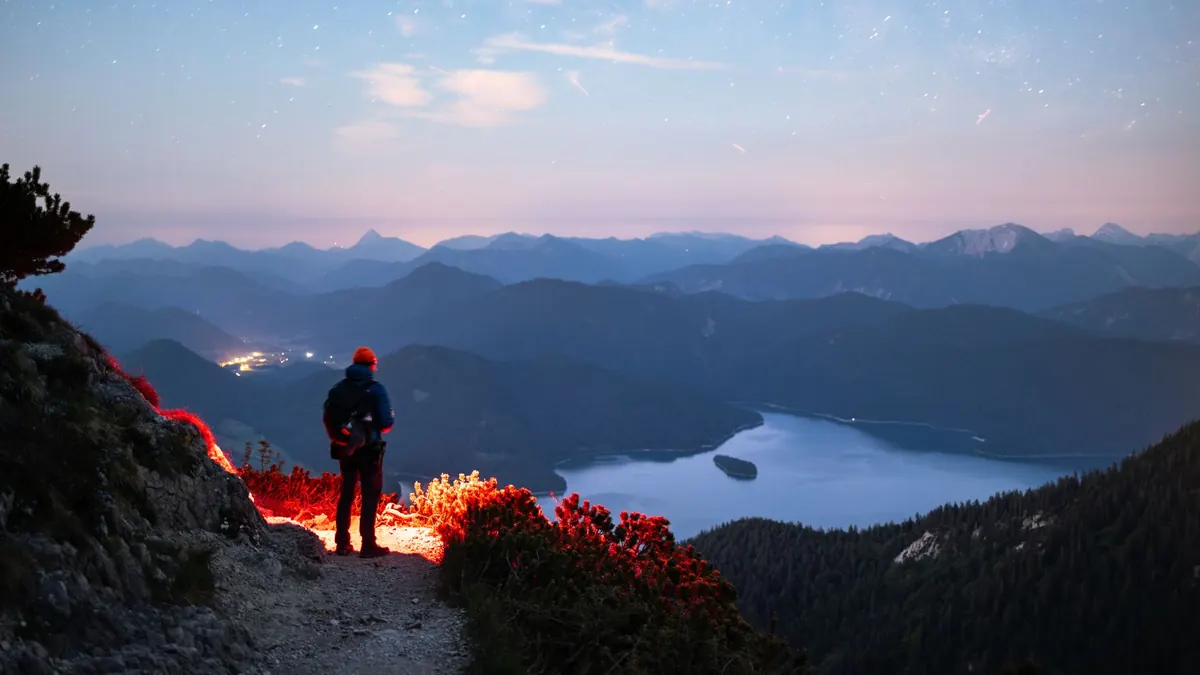
The first hundred metres of a scenic trail are almost always the same: clean boots, a full water bottle, a photo taken beside the sign, and a pace that is far too fast. Nobody sets out planning to make mistakes. What happens on beautiful trails is quieter than that. Enthusiasm does the planning, the terrain does the teaching, and by the time you reach the viewpoint you are either too tired to enjoy it or too far off route to notice.
Most first-time hiking problems aren't dramatic. They are small decisions — a jacket left in the car, a missed fork, a bottle still half full at the summit — repeated until they add up. The good news is that every one of them is easy to fix, and none of the fixes require expensive gear.
Almost everyone leaves the parking area at a pace borrowed from the flat walk from the car. Twenty minutes later the trail tilts upward and that same pace becomes a debt. You feel it as tight breathing, a rising pulse, and the first quiet thought that this is harder than expected.
The fix is boring and effective: walk at the speed that lets you hold a conversation. On a climb, shorten your steps instead of slowing the rhythm — small steps up a steep grade cost far less than long lunges. If you're breathing too hard to finish a sentence, ease off. The people who pass you in the first hour are often the ones you find resting in the shade later.
Take breaks before you need them. Five minutes at a switchback, a drink, a look at the view — that is cheaper than the twenty-minute collapse at the top. And remember that the return leg counts. A trail that took two hours up will usually take close to two hours down, especially on loose rock or roots, so plan the day around the whole loop rather than the summit alone.
The classic mistake is trusting the weather at the car park. Valley trailheads sit in shelter and warmth; ridges, saddles and north-facing slopes are another climate entirely. A sunny start at nine in the morning says nothing about the wind higher up, and clouds can build in the hour you spend climbing.
Dress in three working layers and adjust them constantly: a thin wicking base layer, an insulating mid layer, and a windproof or waterproof shell. Start slightly cool on the climb, because you'll warm up within ten minutes. The hikers who suffer most are usually the ones who keep a shell on while sweating uphill, then stop for lunch in a damp shirt and get cold immediately.
Two small habits make a big difference. First, stop and change layers before you start sweating heavily or before you cool down — the layer you add at the first chill is worth twice the one you add ten minutes later. Second, keep a warm hat and gloves in the pack even in summer. They weigh almost nothing and turn a miserable windy lunch into a pleasant one. Leave cotton at home; it holds moisture and takes hours to dry.
Most new hikers carry too little water and drink it too late. Thirst is a poor alarm on a trail: by the time you notice it, you've been under-drinking for a while, and the headache at dinner is already scheduled.
A better approach is a rhythm. Sip small amounts every fifteen or twenty minutes rather than stopping for one big drink at the viewpoint. Keep the bottle where you can reach it — a side pocket, not the bottom of the pack under a jacket — because the water you have to unpack is the water you won't drink.
Carry more than the plan requires. A generous margin covers a wrong turn, a slower pace, a hotter afternoon than forecast. If you intend to refill from streams, don't count on them in late summer, and treat any water taken from the ground with a proper filter or purification method rather than trusting it because it looks clear.
If you have a medical condition that affects hydration, heat tolerance or blood sugar, or you're hiking at altitude for the first time, speak to a doctor before you go and build your plan around their advice.
Route-finding errors rarely happen at big junctions with signs. They happen at the unmarked fork where one path is wider, at the point where a hundred other boots have worn a shortcut through the grass, and at the moment you're talking instead of watching.
Before you leave, download an offline map of the area — not just a screenshot of the start — and check that your phone will last the day. A small power bank weighs less than a missed turn. Paper maps don't need batteries, and knowing how to read contour lines is a skill that keeps paying off.
On the trail, do three things. Check the map at every junction, even the obvious ones. Note the markers the route uses — a paint blaze colour, cairns, numbered posts — because they're the confirmation you'll want later. And look for the path with real trail character: maintained width, cut branches, drainage, blazes. Faint lines branching off toward a viewpoint are often social trails that erode fast and lead nowhere.
Turn around and look behind you. The view you'll need on the way back is the one you're walking away from.
Set a turn-around time as well as a destination. If the summit is still an hour away at two in the afternoon and you promised to be out by five, the summit waits for another day. And tell someone where you're going, by which route, and when you expect to be back.
Leave No Trace is often presented as a list of regulations. On busy scenic trails it's better understood as a set of habits that keep the place worth visiting.
None of this requires heroism. It mostly requires noticing.
Before you lock the car, run through the same short routine every time. It takes five minutes and catches most of the mistakes above before they have a chance to matter.
Then start slower than feels natural. A scenic trail rewards the first hour of patience with a much better second half, and the whole point of walking up for a view is arriving with enough energy to actually look at it.
Photo: Marek Piwnicki / Pexels
Ten habits that flatten travel writing, from postcard adjectives to missing stakes, each with a specific practical...
A working guide to coastal villages at first light: how fishermen, café counters, and shifting shadows shape a...
October 29, 2026 - Stories
October 25, 2026 - Stories
Copyright © 2026 Tracce Del Vento. All Right Reserved.